
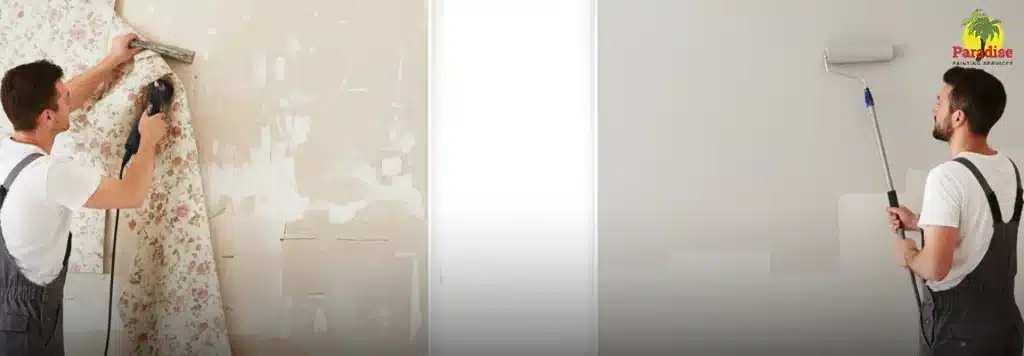
Renovating a home often starts with excitement, but it can quickly lead to difficult choices. One of the most debated choices homeowners face is whether to remove wallpaper or try painting over wallpaper instead. Taking wallpaper down can feel like the best option, but it often takes a lot of time, effort, and money, which many homeowners want to avoid.
In this blog, we look at the pros and cons of both options, helping you decide if painting over wallpaper works or if removing it is better. By breaking down costs, wall condition, and durability, you’ll see which choice fits your home and budget.
Why Do People Paint Over Wallpaper?
Many homeowners choose painting over wallpaper because it gives quick, visible results. It’s an easy way to refresh a room without removing the old paper. New paint can make a space feel completely transformed almost immediately.
There are several reasons why this choice feels attractive. Let’s explore the top three benefits that often sway renovators away from removing wallpaper to paint.
Cost Efficiency: Stripping Takes Days of Labour
One of the main reasons people avoid removing wallpaper is the high cost of labour and time involved in doing it properly. When you compare this with the speed and simplicity of painting directly on the surface, the appeal becomes clear. Here’s how painting over wallpaper helps save both time and money.
- Fewer Hours Needed: Stripping, cleaning, and prepping take days, while painting over wallpaper can often be done in a single weekend.
- Lower Professional Costs: Tradespeople charge high rates for wallpaper removal due to the mess and risk of damaging walls underneath.
- Less Prep Work: You don’t need to hire gear or clean up glue-soaked paper, which cuts down the overall cost and effort involved.
Wall Integrity: Older Homes Require Special Care
In many older homes across New Zealand, the wallpaper plays more than just a decorative role. It may be the only thing keeping fragile plaster walls from crumbling apart. If your property is pre-1960s, here’s why you should think twice before stripping.
- Protects Old Materials: Lath-and-plaster walls behind wallpaper are fragile and can break apart during removal.
- Avoids Major Repairs: Once plaster is damaged, you need patching or full skim coats before painting can even begin.
- Prevents Deeper Problems: Removing wallpaper to paint can cause structural issues that lead to more work and higher bills.
Convenience: Less Mess, Less Fuss
Stripping wallpaper can quickly turn into a messy, tiring job that spreads dust, glue, and scraps across your home. For those who want to keep things simple, painting over wallpaper offers a much cleaner option. Below are some key convenience benefits that often make it the preferred choice.
- No Tools Required: No need for steamers, chemical strippers, or buckets of water that create additional mess.
- Cleaner Process: There’s no glue to scrape, no walls to soak, and no soaked paper piling up on your floors.
- Easier to Live With: If you’re staying in the home during renovations, keeping dust and disruption to a minimum makes a big difference.
Key Considerations Before Painting Over Wallpaper
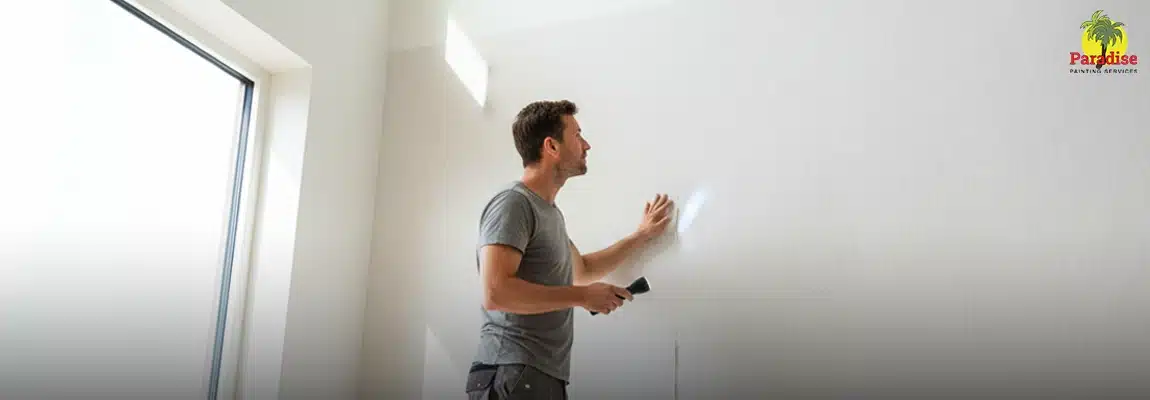
Painting over wallpaper might seem like a simple way to give your space a new look without too much effort. It can save time, reduce mess, and give quick results that feel satisfying. But before you decide, it’s important to understand what really happens once the paint goes on.
Permanent Once Done: No Turning Back
Painting over wallpaper might feel like a simple choice at first, but the impact lasts much longer than expected. Applying paint directly seals the wallpaper to the wallboard, making future removal far more complex and costly.
- Permanent Choice: After the paint dries, the wallpaper becomes fused into the wall and is nearly impossible to take off cleanly. What could have been a straightforward update may require a full wall repair later.
- Surface Bond: The painted layer fixes the wallpaper in place and prevents any large sections from peeling away. Instead of coming off in smooth strips, it breaks into fragments that are harder to control.
- GIB Risk: Tugging at painted wallpaper can tear into the wall lining, especially in older homes with fragile surfaces. Damage like that often leads to full plasterboard replacement.
- Locked Outcome: The decision to paint is not easily undone once it’s complete. Attempting to reverse it takes more time and involves much higher labour effort than doing proper prep first.
Surface Still Shows: Seams and Texture Problems
A coat of paint does not fix surface flaws left by wallpaper. Uneven joins, raised areas, or textured finishes will still be noticeable and may even appear more prominent under certain light conditions.
- Visible Seams: Where wallpaper panels meet, the paint does not hide the vertical joints. Instead, those lines tend to catch the light and draw attention.
- Pattern Shows: Embossed wallpaper textures remain visible even beneath several coats. Rather than fading into the background, they often become more defined after painting.
- Extra Prep: Some try to smooth the seams or apply filler, but that can get messy and time-consuming. In the end, it might take as long as removing wallpaper to paint and still not look perfect.
Paint Choice Matters: Avoid Bubbling
Using the wrong type of paint when painting over wallpaper creates moisture-related problems. Many paints contain water, which reacts badly with old adhesive and can lead to surface failure.
- Water Issues: Water-based paints can soften the glue underneath the paper and weaken its hold. This leads to lifting sections or bubbles that spoil the entire wall.
- Messy Repairs: Fixing a wall that starts to bubble after painting is rarely simple. Scraping off painted wallpaper is tedious and often causes more damage than if you had stripped it first.
- Delayed Problems: The surface might look smooth at first, but bubbling can appear after days or even weeks. Temperature shifts or humidity often trigger these changes when walls are not sealed properly.
Always Use Oil-Based Sealers First
Choosing the correct primer is critical when painting over wallpaper, and skipping it will likely lead to surface failure. An oil-based sealer is not optional—it’s the one step that ensures a stable outcome.
- Protective Barrier: Oil-based sealers block water from penetrating through to the wallpaper glue. This keeps the original adhesive intact and reduces the risk of bubbling or peeling.
- Improved Adhesion: Sealers create a reliable layer that paint can bond to. Without one, even high-quality paint may slide, lift, or create uneven results.
- Prevention First: Most issues come from skipping the primer or using a water-based product by mistake. Applying the right sealer at the beginning avoids extra work and protects the final finish.
Is It Worth Stripping Wallpaper Before Painting?
Although painting over wallpaper may feel easier, the best results always come from doing the job properly. Stripping the wallpaper gives you a clean canvas and avoids all the issues mentioned earlier. It also gives you the opportunity to fix deeper problems that might be hiding beneath the paper.
This is where thinking long-term really pays off. For homeowners who care about finish quality, it’s often the only option worth considering.
Resale Value: First Impressions Count
Most buyers notice signs of shortcuts, especially if walls show seams or textures beneath the paint. Visible signs that someone avoided removing wallpaper to paint often reduce buyer confidence and affect final offers. Many view these as signals of rushed or low-effort renovation work.
Even if walls are freshly painted, uneven surfaces resulting from painting over wallpaper can send the wrong message during viewings. In contrast, flat, smooth finishes leave a better impression and may lead to higher offers. Preparing properly helps make rooms feel finished and move-in ready.
Hidden Issues Exposure: Early Repairs Save Money
Old wallpaper can hide serious concerns like mould, cracks, or soft plaster weakened by moisture. Stripping it off lets you inspect the surface underneath and fix any hidden damage before painting. Leaving these problems sealed behind paint can lead to bigger repairs later on.
Once painted, wallpaper makes it harder to detect early signs of wall damage. Without removal, moisture or decay could spread unnoticed for years. Addressing small issues now protects both property value and air quality indoors.
Smooth Surface Standard: Skim Coating Improves Results
After removing wallpaper to paint, most surfaces are not paint-ready without additional work. Applying a skim coat smooths out leftover glue, scratches, or minor holes that remain after stripping. This layer creates a consistent finish so paint goes on evenly and looks polished.
Even if walls seem mostly fine, light imperfections become more obvious once colour is added. Skim coating makes sure painted surfaces reflect light smoothly and stay free from patchiness. For anyone who values a clean, premium look, this step makes all the difference.
Making the Right Choice for Your Walls
Deciding between painting over wallpaper or removing it depends on your walls’ condition and your renovation goals. It can be a practical solution for quick updates or when the wallpaper is in good shape. However, removing wallpaper first usually results in a smoother, longer-lasting finish.
Homeowners who want a polished look or need to check what’s underneath the paper often choose full removal. While painting over wallpaper saves time, it may leave seams or textures visible. If you want the job done right from the start, Paradise Painting Services specialises in removing wallpaper and preparing walls properly for long-lasting results.
Frequently Asked Questions
Here are simple answers to common questions homeowners have about painting over wallpaper or removing it first.
1. Can I paint over wallpaper, or should I remove it first?
Yes, you can paint over wallpaper when it sits flat, feels firmly bonded, and has no peeling edges. Remove it first when the paper looks loose or damaged because paint can disturb the old glue and make lifting worse.
2. Is it better to paint over wallpaper or remove it?
Removing wallpaper gives a cleaner, longer-lasting finish by allowing paint to bond directly to a stable surface. Painting over wallpaper is a quick update when you accept that seams and texture may still show through.
3. How do I paint over wallpaper in NZ conditions?
Start by checking for any lifting joins, then seal the wallpaper with a quality sealer to lock in the adhesive and reduce moisture impact. Keep rooms well ventilated and allow longer drying time, as New Zealand humidity can slow curing and highlight seams.
4. Should I remove wallpaper before painting?
Yes, removal is the better choice when the wallpaper has bubbles, peeling corners, or dents that you cannot smooth out properly. Painting over unstable paper often leads to a patchy finish and future lifting.
5. How do I remove wallpaper in NZ?
Score the surface lightly, apply warm water or a wallpaper remover, then scrape gently as the backing softens and releases. Wash off any leftover paste and let the walls dry thoroughly, as damp surfaces can affect the next coating.
6. How do I strip wallpaper before painting?
Strip paper until the wall feels clean and even, then remove all glue residue to avoid paint reacting later. Finish by repairing any damaged plaster and sanding it smooth to get a consistent painted result.